Product links on this page go to Amazon. If you buy through them, Upgrade My Juicer earns a commission. How we pick and earn
Every juicer page uses the words. Here is what they mean mechanically, and what follows from it.
How each one works
A centrifugal juicer pushes produce down a chute onto a flat disc with small teeth, spinning at several thousand revolutions a minute. The disc shreds the produce; the spin flings the shreds against a fine mesh basket, the juice passes through, the pulp is thrown out into a bin. The mechanism is simple and extracts juice quickly, with considerable noise.
A cold press or slow or masticating juicer turns an auger, a thick screw, at 50 to 80 rpm. The auger crushes the produce and squeezes it against a screen; the juice drips through, the pulp is pushed out the end. Nothing spins fast. “Cold” means no heat from friction; it is not refrigerated, and the juice comes out at room temperature either way.
Where the difference shows
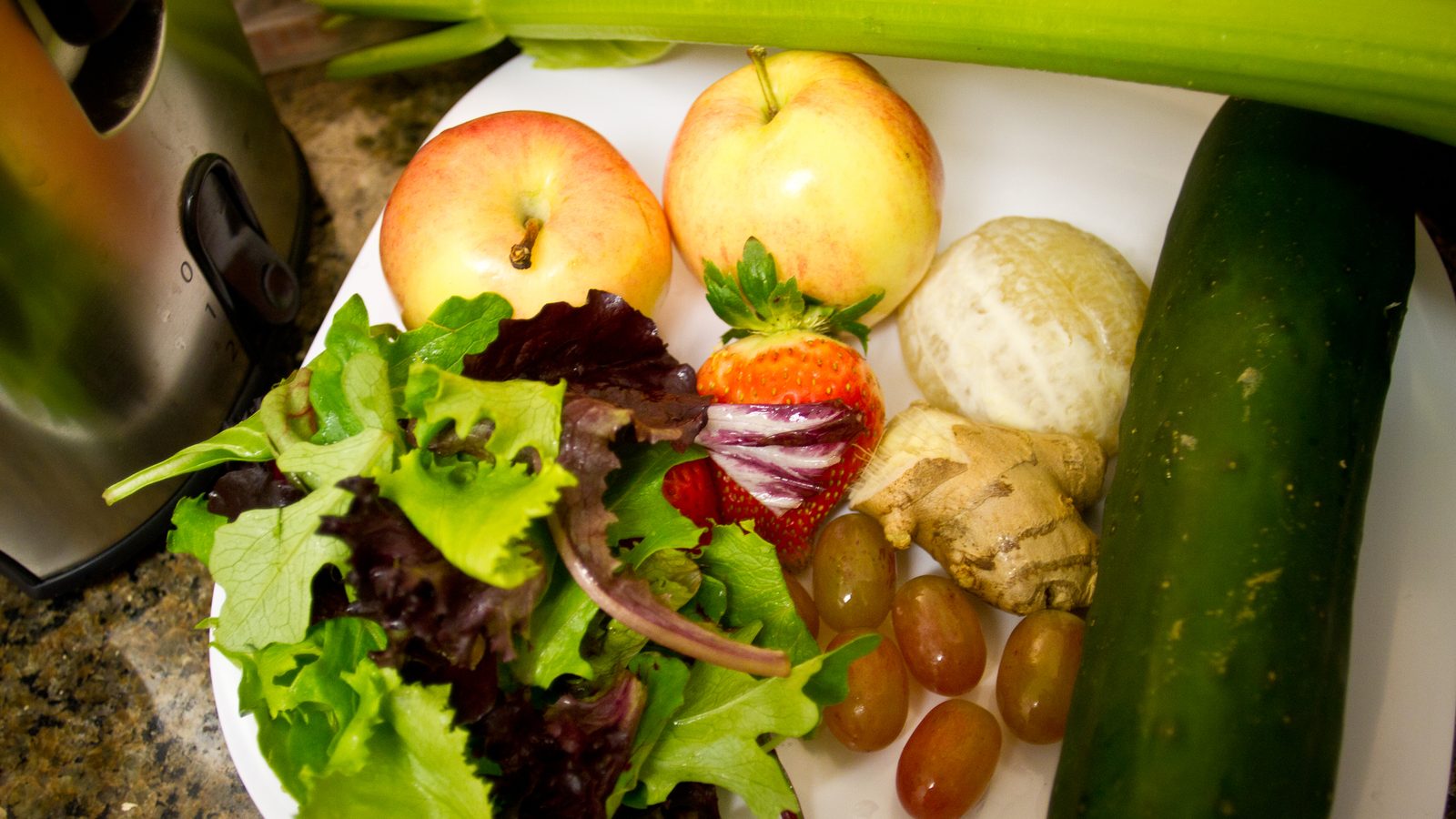
Leafy greens and celery. Shredding a leaf at high speed makes foam and a little juice; squeezing it makes juice. This is the clearest case for a cold press. Horizontal augers and twin gears, which press for longer, are the strongest here.
Apples, carrots, oranges, pineapple. Both kinds do fine. The slow juicer gets a bit more from the same fruit and leaves drier pulp; the fast one does it in a fifth of the time. Breville’s own line for its Cold XL is that it extracts juice up to five times faster than a cold press machine, and that is fair.
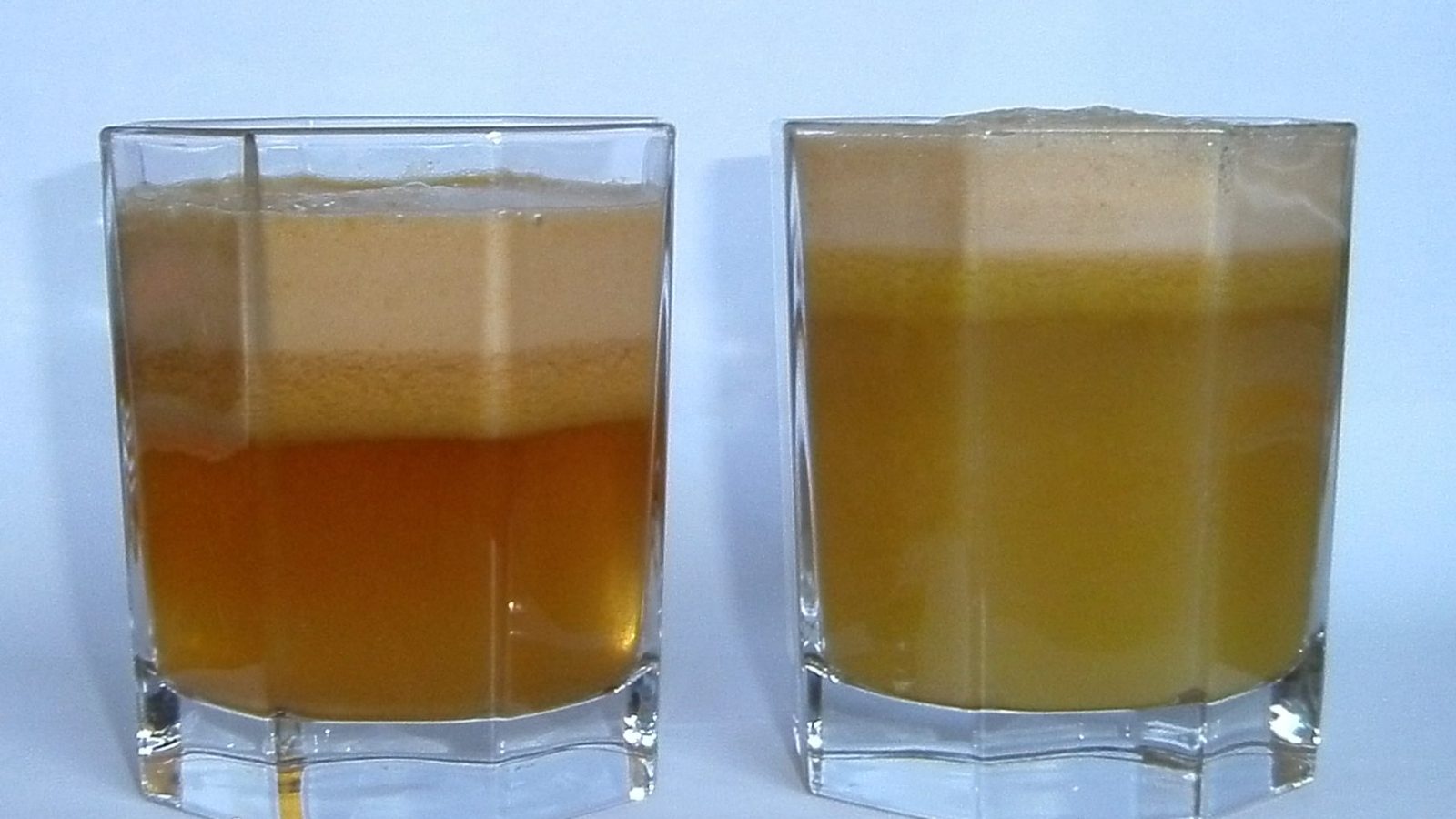
Foam and separation. A centrifugal whips air into the juice; most come with a froth separator in the jug for that reason. Slow juice has little foam, and it separates more slowly in the fridge.
Keeping. Fast juice is for drinking now; slow-juicer makers say their juice keeps a day or more refrigerated (Tribest puts it at up to 72 hours). In practice both are better the sooner you drink them, and slow juice holds up noticeably longer.
Prep. A 3 to 3.5 in centrifugal chute takes whole apples. Slow juicers with a hopper (Nama, Hurom, Kuvings AUTO10) take whole or roughly cut produce and feed themselves; slow juicers with a chute take pieces; horizontal augers take small pieces.
Cleanup. Roughly the same number of parts, but a centrifugal’s mesh basket needs a brush and the pulp is wet; slow juicers have a screen or strainer to brush, except Hurom’s Easy Clean chambers, which replace the mesh with a two-part auger. Rinse either kind immediately and both take five minutes; let the pulp dry and both take fifteen.
Noise. A centrifugal sounds like a blender. A slow juicer hums.
Speed and price. The fast juicer wins both, at every size.
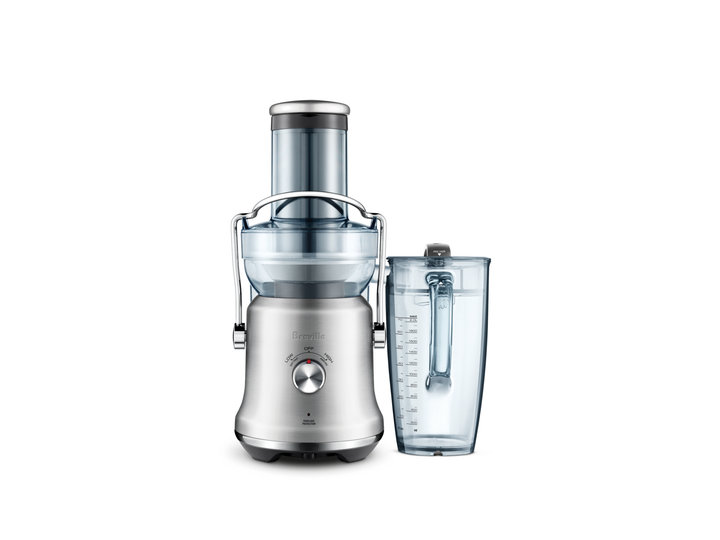
Centrifugal, 3.5 in chute, 70 oz jug
Breville Juice Fountain Cold Plus
Breville BJE530
Breville's mid-size fast juicer: a 3.5 in chute for whole apples, two speeds, Breville's Cold Spin design with an Italian-made mesh filter, a sealed 70 fl oz jug for a batch, and the pulp bin tucked behind the base so the footprint stays small.
- Chute
- 3.5 in, whole fruit
- Power
- 1000 W, 2 speeds (listing)
- Jug
- 70 fl oz, sealed for the fridge
- Filter
- Italian-made precision mesh; Cold Spin
- Size
- 8.6 × 13.15 × 17.64 in; 13.6 lb (listing)
- In the box
- Cleaning brush, recipe book (listing)
Suits: A quick glass of fruit juice or a family batch, with whole-fruit feeding to reduce prep.
Weigh: Centrifugal machines foam, run loud, and leave a wetter pulp than a slow juicer; drink the juice soon. Hand wash per the listing.
The yield claims
Slow-juicer makers publish a number (how juicer yield is measured is its own guide): Nama says the J2 yields up to 60 percent more juice than a traditional high-speed juicer from the same produce; Hurom and Kuvings make the same kind of statement. The direction is right. The size depends on what you juice: large for kale and celery, small for an apple. Treat the figures as the maker’s words, which is how the product cards here quote them.
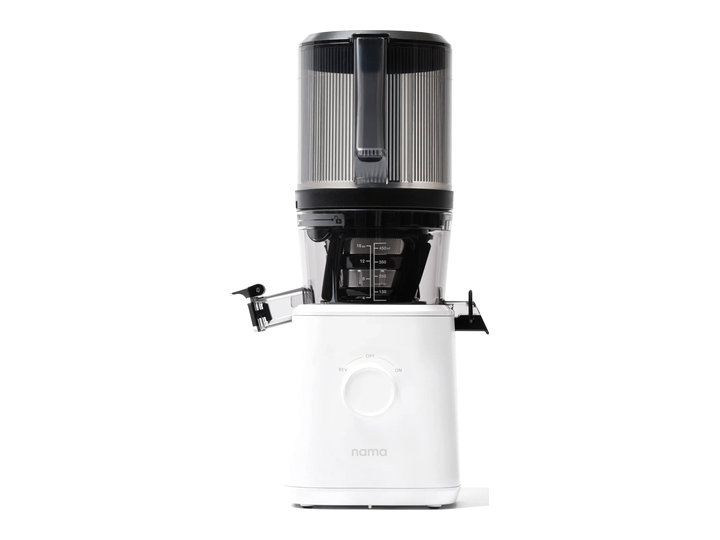
Vertical slow juicer, self-feeding hopper
Nama J2
Nama J2 Cold Press Juicer
The juicer that changed the chore: a lidded hopper takes a whole recipe at once, cuts and feeds it on its own at 50 rpm, and lets you walk away. Nama says the J2 yields up to 60 percent more juice than a high-speed juicer from the same produce, and that each part needs only a light scrub.
- Speed
- 50 rpm, 200 W
- Feeding
- Self-feeding hopper with lid; load the recipe and walk away
- Juice
- Juice and pulp containers, coarse and fine strainers included
- Cleaning
- Light scrub, soap and water; brush included; hand wash (listing)
- Size
- 9 × 9.8 × 17.7 in; 12.1 lb (listing)
- Materials
- Tritan chamber, stainless strainer (listing)
Suits: Daily green juice or family batches, especially when feeding and cleanup have made juicing a chore.
Weigh: The hopper is the point and the price. The J2 is tall at 17.7 in, hand wash only, and like every slow juicer it is slower than a centrifugal machine for a single glass of apple juice.
So which one
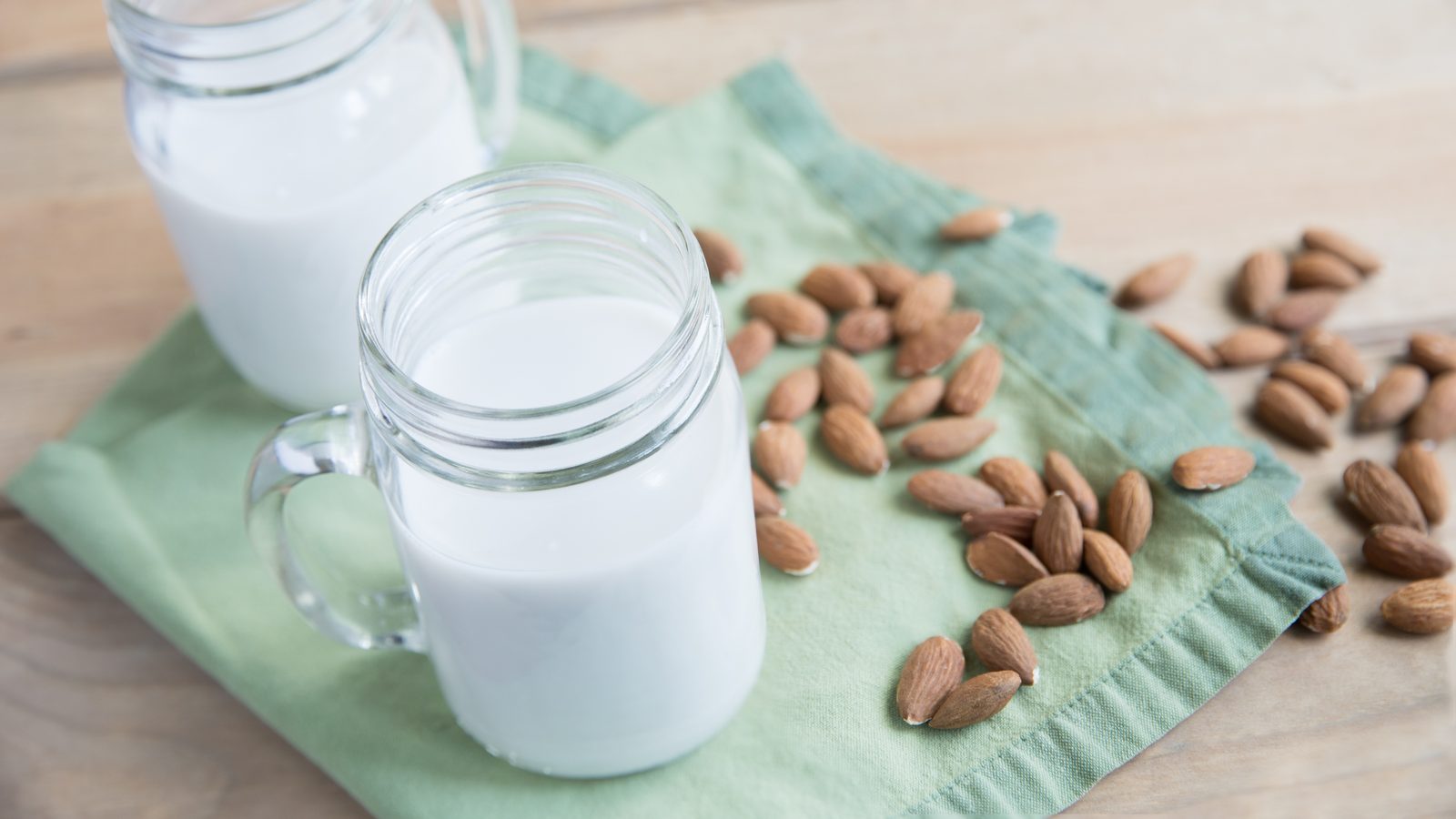
- Greens, celery, wheatgrass, nut milk, or juice to keep: cold press.
- Apple, carrot, orange, drunk at the counter, in a hurry: centrifugal.
- Both, and the budget for one machine: a cold press with a hopper. It does the fast juicer’s produce slower; the fast juicer does not do the cold press’s produce at all.
- Citrus only: choose a citrus press.