Product links on this page go to Amazon. If you buy through them, Upgrade My Juicer earns a commission. How we pick and earn
Celery juice and green juice are the two drinks that send people shopping for a juicer, and they are the two that a fast juicer does badly. Here is what works.
Why a slow juicer
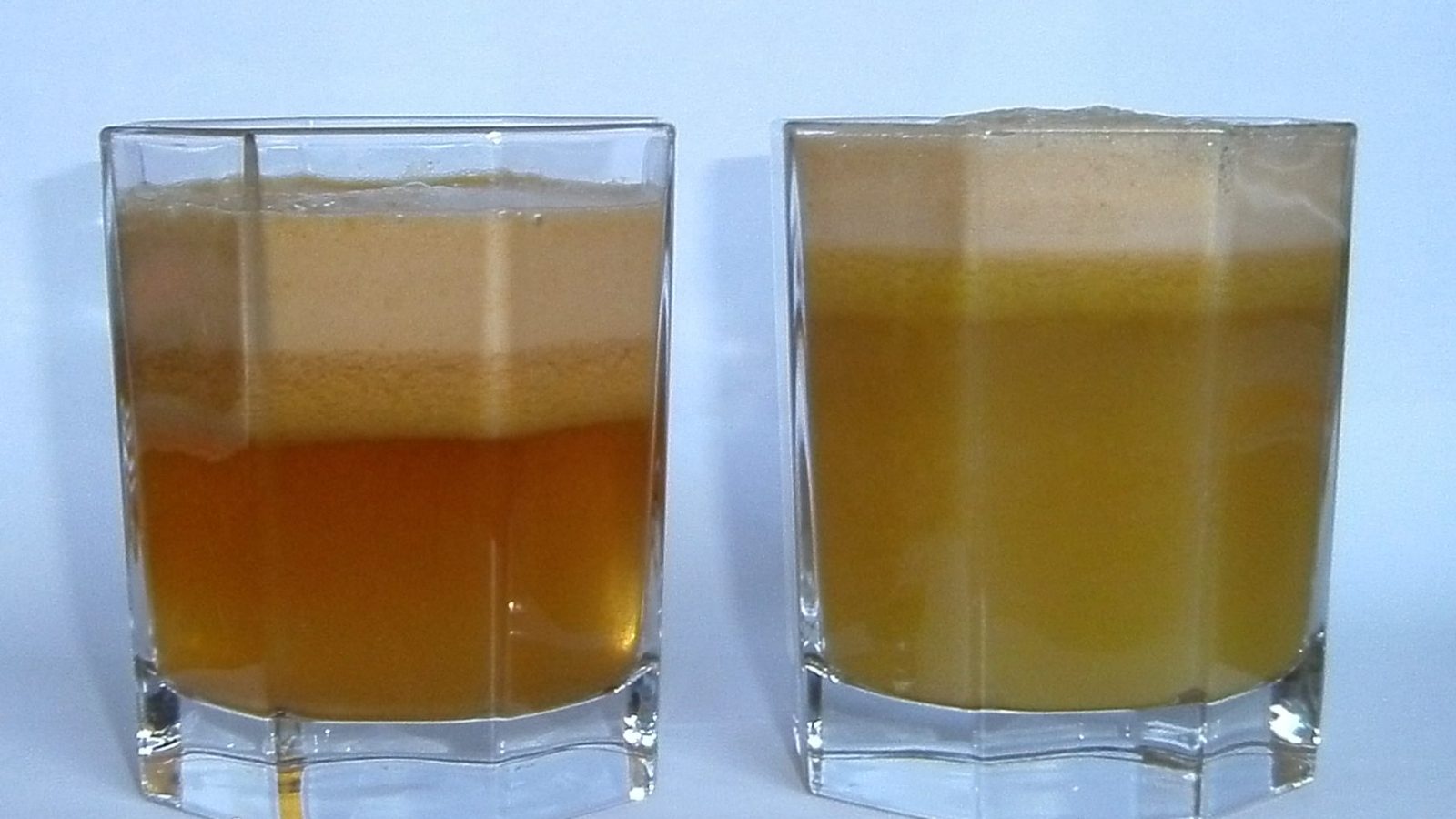
A leaf has little juice and a lot of fibre. A spinning disc shreds it, the fibre tangles in the basket, and what comes through is foam with a green tint. An auger squeezes the leaf against a screen for long enough to get the water out of it. The same goes for celery: the strings are the problem, and pressing beats shredding.
Which shape
The shapes of slow juicer, in rising order of how well they handle greens and falling order of convenience:
- Vertical augers with a hopper (Nama J2, Hurom H400, Kuvings AUTO10) do greens well if you feed them in the right order (below) and mix leaves with something firmer. They are the ones you will use every day, which is the point.
- Horizontal augers (Omega NC900HDC, MM900HDS) have a long screw that handles leaves and stalks naturally and rarely clogs. The MM900HDS adds an end cap made for celery, which holds the stalks under pressure longer for more juice and drier pulp.
- Twin gears (Tribest Greenstar) crush and press in stages and get the most out of greens and wheatgrass. They are also the slowest to feed and the most parts to wash.
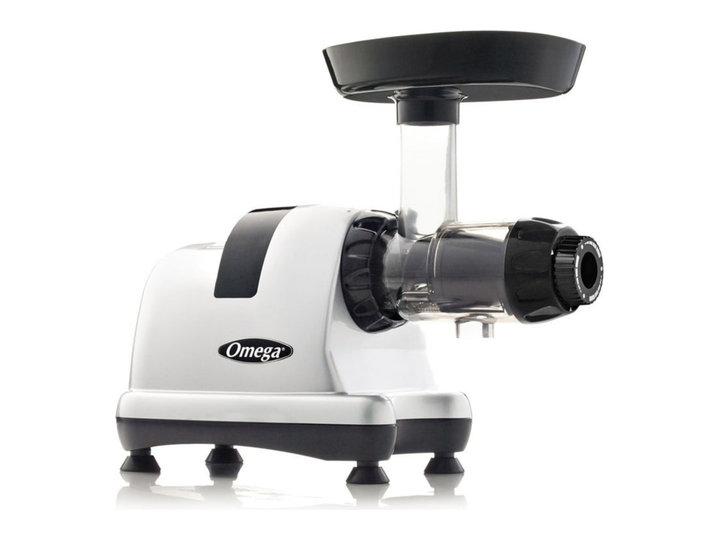
Horizontal slow juicer, celery end cap
Omega MM900HDS celery juicer
Omega MM900HDS
Omega's horizontal auger with a second end cap made for celery only: it holds the stalks in the press longer for more juice and less wet pulp. 80 rpm, 200 W, and the nutrition-system attachments for nut butter, pasta, baby food and sorbet.
- Speed
- 80 rpm, 200 W (listing)
- End caps
- Celery cap plus a standard adjustable cap
- Pressing
- Triple-stage masticating (listing)
- Extras
- Nut butter, pasta extruding, grinding, baby food, frozen desserts
- Size
- 6.1 × 18.9 × 12.6 in; 14.3 lb (listing)
- Cleaning
- Dishwasher-safe parts (listing)
Suits: The daily celery juice people; leafy greens and wheatgrass, which horizontal augers handle better than verticals.
Weigh: Horizontal juicers have a narrow chute, so everything is cut to fit, and they are slow with soft fruit. The celery cap is for celery only; swap to the standard cap for everything else.
The feeding order
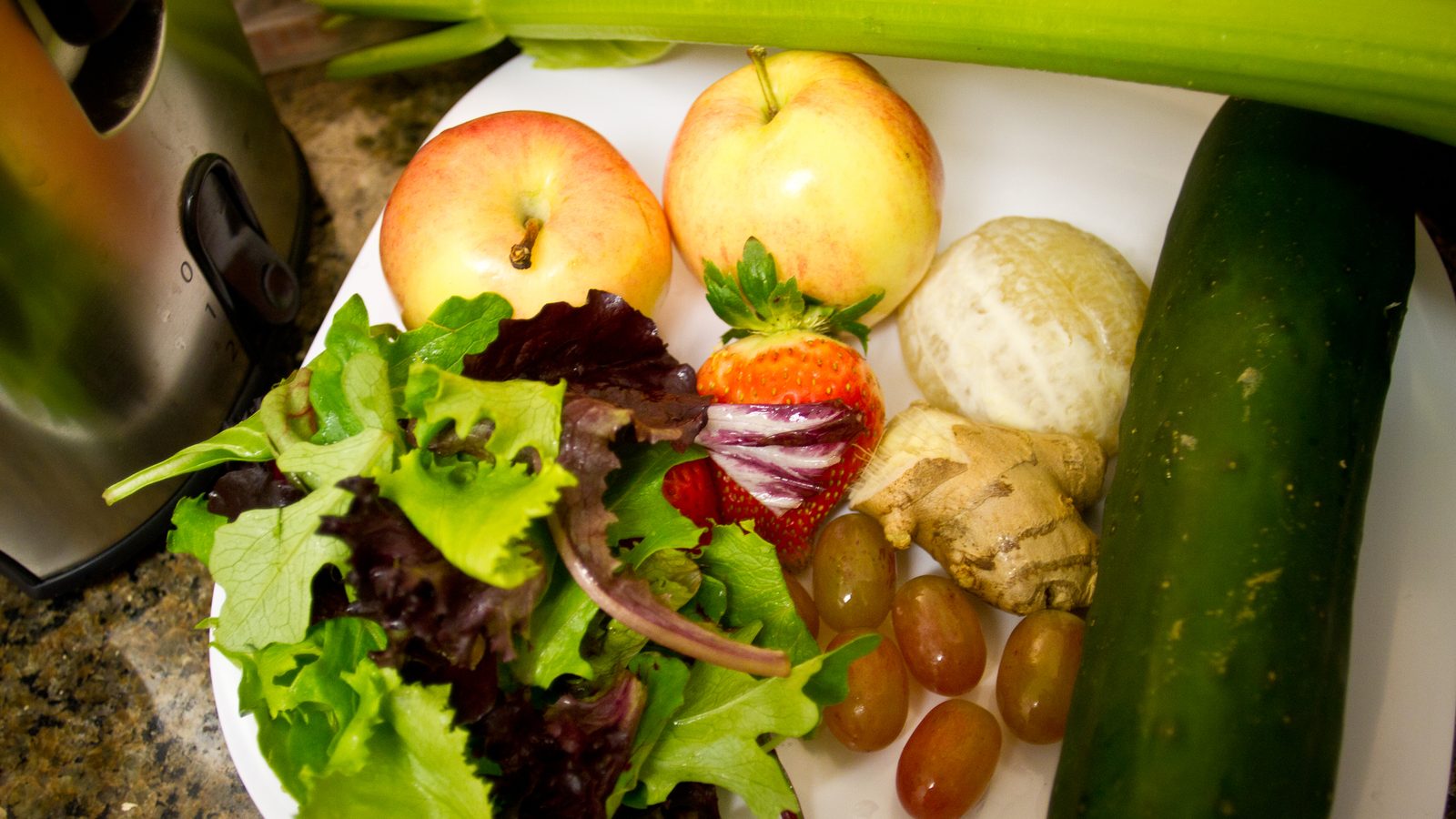
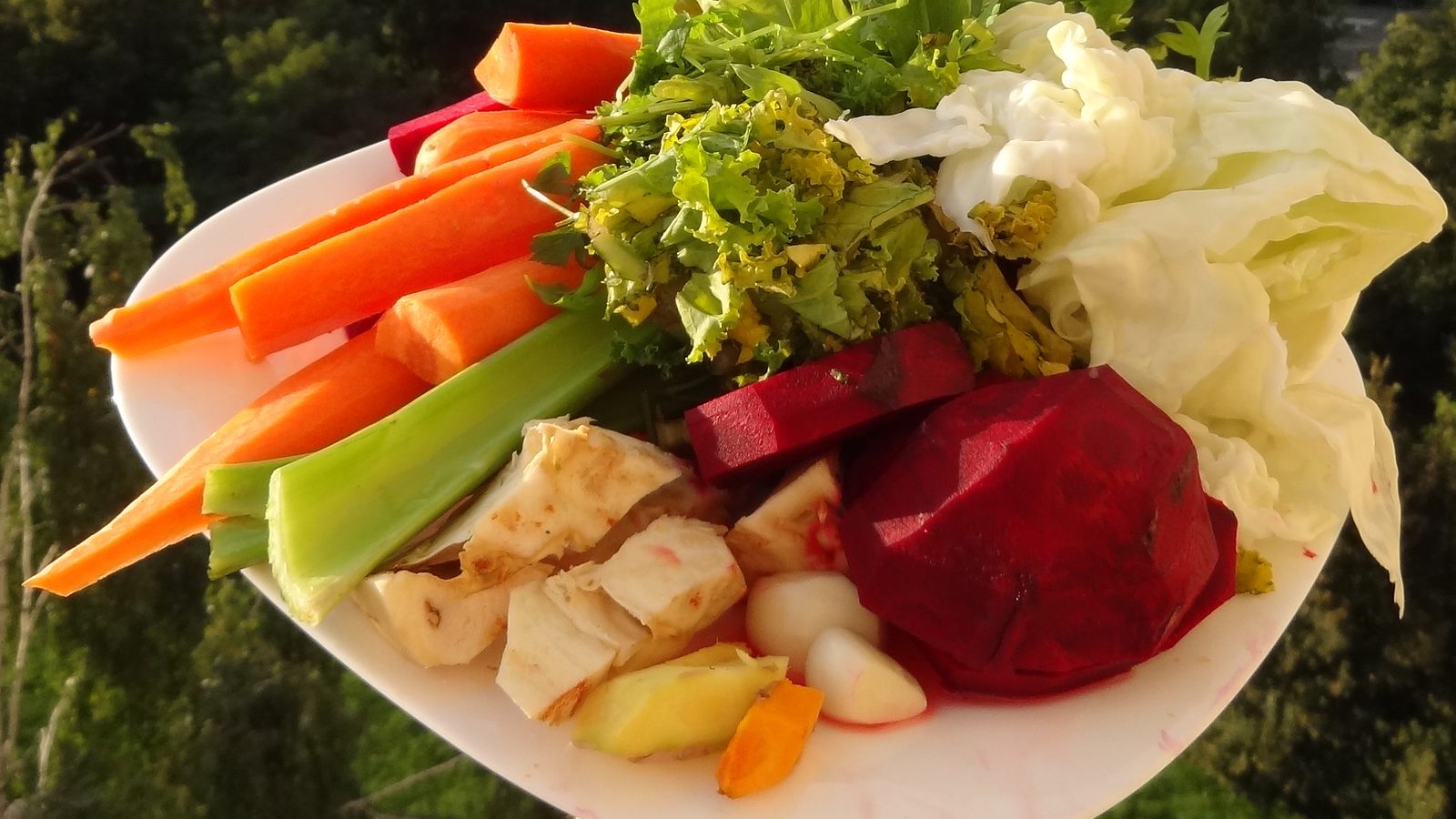
Clogs happen when a chamber fills with fibre and nothing pushes it through. The fix is to alternate: a handful of leaves, then a piece of apple or cucumber, then leaves. Roll leaves tightly before they go in. Cut celery into short lengths unless the maker says whole stalks are fine (Omega’s celery cap is made for whole stalks; hopper verticals cut for you). Feed slowly, giving the auger time to pull the produce through. If it does stall, use reverse for a second and carry on.
What to expect from celery
A bunch of celery gives a surprising amount of juice in a slow juicer and a surprising amount of wet pulp in a fast one. Drink it soon; it separates quickly. Celery juice is a diet fad as much as a drink and this site has nothing to say about what it does for you; it tastes like celery, salt and water, and a piece of apple fixes that if you want it fixed.
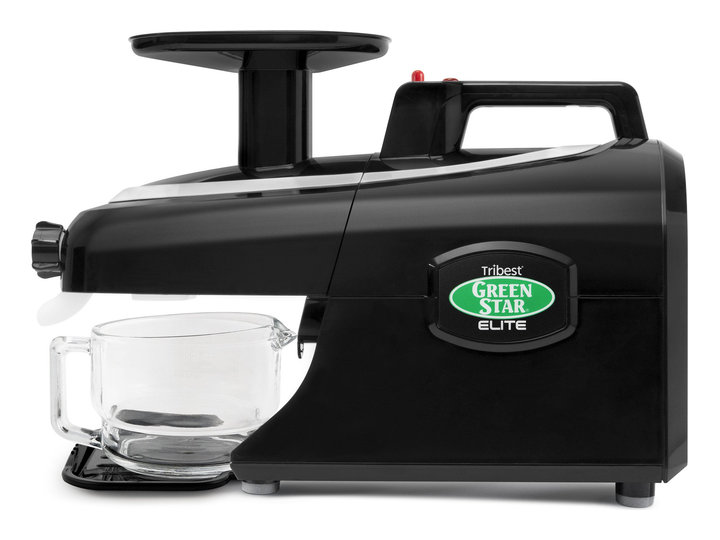
Twin-gear slow juicer
Tribest Greenstar Elite
Tribest Greenstar GSE-5010
Two interlocking gears instead of one auger: produce is crushed and then pressed in three stages, which is why twin-gear machines are the reference for leafy greens and wheatgrass. 150 W, a pressure-adjusting outlet knob, and a locking mechanism Tribest redesigned for easier assembly.
- Mechanism
- Twin gears, three-stage juicing
- Power
- 150 W (listing)
- Outlet
- Adjusting knob controls pressure
- Size
- 6.8 × 18.6 × 12.4 in; 17.2 lb (listing)
- Finish
- Black (GSE-5010); white is GSE-5000
- Cleaning
- Dishwasher-safe parts (listing)
Suits: Greens-heavy juicing, wheatgrass, and anyone who treats yield as the number that matters.
Weigh: The narrow chute requires cutting produce to fit and feeding it steadily. It has more parts to wash than a vertical, which adds work for a simple glass of apple juice.
Wheatgrass
Only a slow juicer, and a horizontal or twin gear for preference. Verticals with a hopper will do a small amount mixed with other produce; a fast juicer will do nothing with it.
Attachments and caps
Omega sells end caps and nozzles for its horizontal machines; Kuvings sells smoothie and sorbet strainers and a citrus attachment for the REVO830 and AUTO10; Nama sells a citrus attachment and coarse strainers for the J2. None of them change what the auger does with greens; the celery cap on the MM900HDS is the only one made for that job.
For the comparison of all ten slow juicers, see the cold press page.